
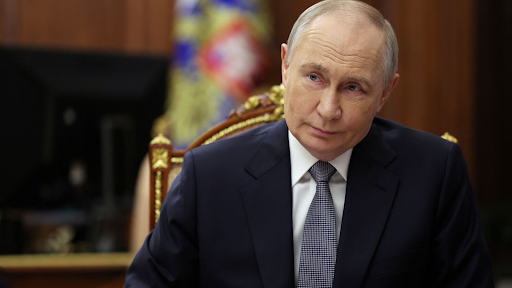
Vladimir Putin’s threat to target Western troops in Ukraine has sent a shockwave through Europe, causing the fragile solidarity on postwar security to crumble. The warning is a calculated move to exploit and deepen the pre-existing divisions among Kyiv’s allies, particularly between France and Germany.
France, under President Emmanuel Macron, has been the primary advocate for a robust, troop-based security guarantee, assembling a coalition of 26 nations to back the idea. This represents a more assertive, forward-leaning posture aimed at decisively securing Ukraine’s future.
However, this French-led vision clashes with the deep-seated caution of other key European powers. Germany, alongside Spain and Italy, has explicitly refused to commit troops, fearing an uncontrollable escalation that could lead to a direct war with Russia. These countries represent a more risk-averse bloc within the alliance.
Putin’s threat acts as a powerful wedge, driving these two positions further apart. It validates the fears of the cautious camp, making them even less likely to agree to any troop deployment. This leaves Macron’s coalition looking politically weakened and highlights how a single, well-aimed threat from Moscow can effectively paralyze European consensus.