
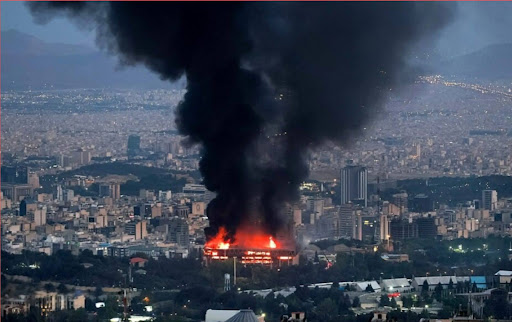
President Donald Trump was actively courting Asian and European allies on Saturday to join an American-led naval effort to reopen the Strait of Hormuz, posting publicly on Truth Social and naming China, France, Japan, South Korea, and the UK as nations whose warships he hoped to see in the region. The appeal represented a significant shift in tone from earlier weeks, when the administration had projected confidence in America’s ability to handle the situation unilaterally. The conflict was now entering its third week, and the strain of fighting a multi-front war without allied naval support was becoming apparent.
The Strait of Hormuz had been closed by Iran since hostilities began on February 28, cutting off a waterway that carries about 20 percent of global oil and gas daily. US warplanes had bombed Kharg Island, Iran’s primary crude export hub, in a bid to put pressure on Tehran. Trump said in public remarks the island had been effectively demolished and left open the possibility of further strikes. He simultaneously warned that Iran’s remaining oil infrastructure could be targeted if Tehran did not allow ships to pass freely through the strait.
Iran was not conceding any ground. Ballistic missiles struck Fujairah in the UAE on Saturday, suspending oil-loading operations and prompting Iranian military officials to warn civilians near ports and US facilities to evacuate. Iran’s military threatened attacks on any Gulf energy facility with American ties. The foreign minister called on Arab states to expel US forces. Analysts described Iran’s approach as a deliberate strategy of survival, sustained retaliation, and conflict prolongation designed to outlast American resolve.
Israeli warplanes were also active, conducting dozens of raids inside Iran and killing at least 15 people in an Isfahan factory strike. Iran fired rockets at Israel in return. US Defence Secretary Pete Hegseth claimed Iranian leaders were in hiding and that the new supreme leader had been wounded. Iranian officials confirmed the injury but called it minor. The USS Tripoli and 2,500 additional US marines were heading to the region, adding military options without clarifying which ones Washington intended to use.
The human and economic costs of the war were reaching alarming levels. More than 1,400 Iranians had been killed in sustained bombing. Thirteen Israelis and roughly 20 Gulf residents had died. Lebanon’s crisis worsened, with 800 killed and 850,000 displaced from Israeli strikes on Hezbollah. Six US troops died in a military aircraft crash in Iraq. The US embassy in Baghdad was struck overnight, and Americans throughout Iraq were ordered to leave. Oil prices were nearing $120 per barrel and threatening to go higher, adding financial urgency to the military and diplomatic pressure bearing down on all parties.