
The timeline is clear and damning. August: Ukraine offers drone defense technology to the US. September through January: nothing happens. February 28: US and Israeli strikes kill Iran’s supreme leader, triggering massive Iranian drone retaliation. March: seven American soldiers dead, millions spent on conventional interception, US calls Ukraine for help. Ukraine responds in 24 hours.
Ukraine’s offer was grounded in irreplaceable operational experience. Having fought Iranian-designed Shahed drones for years against Russian forces, Kyiv built an interception ecosystem that is both effective and affordable. The proposal brought to Washington in August represented the distillation of that experience into a practical solution for the specific threat developing in West Asia.
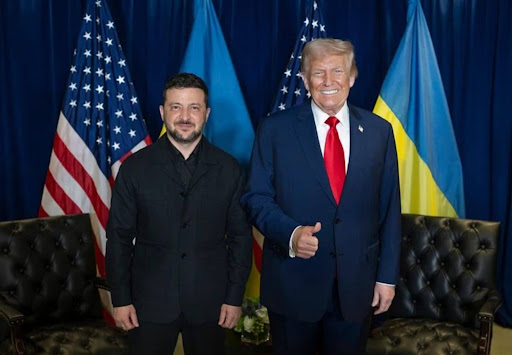
The August White House briefing covered the threat environment, proposed regional drone combat hubs, and warned about Iran’s improving drone program. Zelensky presented the proposal personally to Trump, who expressed interest and directed his team to follow up. None of it led anywhere. Political skepticism within the administration contributed to the failure, as did standard bureaucratic inaction.
The cost of that failure is now quantifiable. Seven American service members killed by Iranian drones. Millions of dollars spent on conventional counter-drone operations. A strategic posture that was unnecessarily vulnerable to a threat that Ukraine had specifically warned about and offered to help address.
Ukraine’s 24-hour response to the eventual US request provides a stark contrast to the eight months of American inaction. Teams are deployed in Jordan and across Gulf states. The system that was available in August is operational in March. The eight-month gap between offer and acceptance is one that American military planners will be accounting for long after the current conflict ends.