
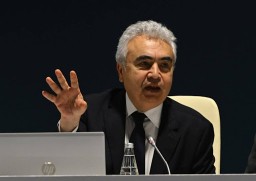
The energy losses caused by the Iran war are accelerating beyond initial estimates, the head of the International Energy Agency has warned. Fatih Birol, speaking in Canberra, said the combined effect of ongoing infrastructure damage, continued closure of the Strait of Hormuz, and secondary supply chain disruptions meant that the scale of the crisis was continuing to grow. He described the overall emergency as already equivalent to the combined force of the 1970s twin oil shocks and the Ukraine gas disruption — and potentially growing worse.
Birol said that while the initial supply loss estimates had already been alarming — 11 million barrels of oil per day and 140 billion cubic metres of gas — the continuing damage to Gulf energy infrastructure and the persistence of the Hormuz closure suggested that these figures might continue to rise. He said the IEA was updating its assessments continuously and was prepared to act with additional emergency measures if the situation deteriorated further.
The conflict began February 28 with US and Israeli strikes on Iran. At least 40 Gulf energy assets have been severely damaged, and the Hormuz strait remains closed to commercial shipping, cutting off approximately 20 percent of global oil supply. The IEA deployed 400 million barrels from strategic reserves on March 11 — the largest emergency action in its history — representing just 20 percent of available stocks.
Birol confirmed further releases were under active consideration and said consultations with governments across Europe, Asia, and North America were ongoing. He called for demand-side policies including remote work, lower speed limits, and reduced air travel. He met with Australian Prime Minister Anthony Albanese and emphasized the urgency of the global response given the accelerating nature of the supply losses.
Trump’s 48-hour ultimatum to Iran to reopen the strait expired without result, and Tehran threatened retaliatory strikes on US and allied energy and water infrastructure. Birol warned that the window for preventing the crisis from causing severe and lasting economic damage was narrowing. He called on all governments to treat every day of delay as a day in which the crisis was growing harder and more expensive to manage.