
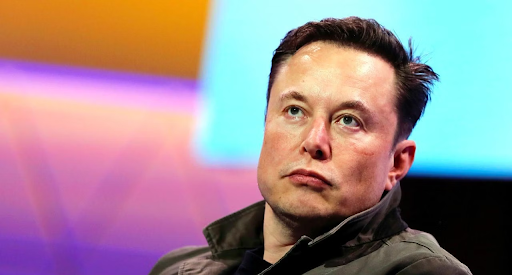
Elon Musk’s proposed pay package from Tesla places him in a historical context, harkening back to the industrial titans of the Gilded Age like Andrew Carnegie and John D. Rockefeller. If successful, the deal would make Musk a modern equivalent, a figure whose personal wealth and industrial power are intertwined on a nation-state scale.
The sheer scale of the ambition is comparable. Just as Carnegie built a steel empire that formed the backbone of American industry, Musk’s plan requires him to build a tech empire based on the foundational technologies of the 21st century: sustainable energy, AI, and robotics. The goal is not just to lead a market, but to create the infrastructure for a new era.
The concentration of wealth would also be historic. While Carnegie and Rockefeller amassed fortunes that were unprecedented in their time, a $2 trillion net worth for Musk would represent a similar, if not greater, share of the global economy. This would grant him a level of influence over technology, policy, and society that few individuals in history have ever wielded.
This historical parallel carries both positive and negative connotations. These titans were praised as “captains of industry” and visionaries who drove progress, but also criticized as “robber barons” who stifled competition and accumulated too much power. Musk’s journey over the next decade, should the plan be approved, will likely be viewed through this same dual lens.