
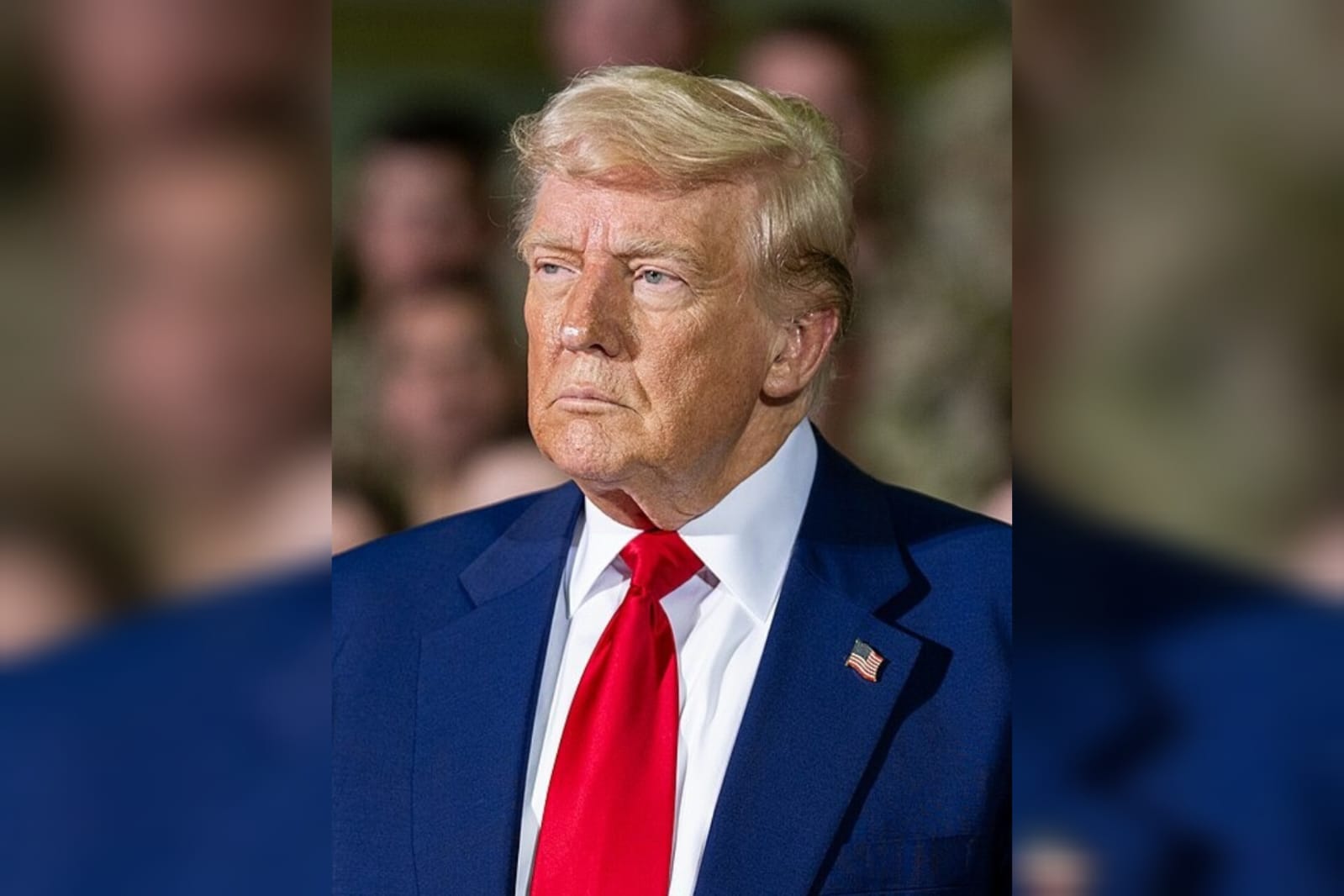
A memorandum of understanding signed by U.S. President Donald Trump and Iran has sparked a wide array of responses globally. While some leaders view it as a crucial move toward easing international tensions, others criticize it for potentially offering Iran substantial benefits without securing strict assurances regarding its nuclear objectives. Pakistan’s Prime Minister Shehbaz Sharif voiced support for the agreement, highlighting its role in facilitating diplomacy. He emphasized that the deal could lead to the reopening of the Strait of Hormuz and renewed dialogues between Washington and Tehran. Leaders from the G7 echoed this sentiment, considering it an essential opportunity to hinder Iran’s nuclear weapon development and stabilize global energy markets.
The agreement outlines that Iran will reopen the Strait of Hormuz, with the U.S. agreeing to relax select sanctions on Iranian oil exports, petroleum products, and associated banking services. Over the next 60 days, both nations are expected to engage in discussions concerning Iran’s nuclear program and its stockpile of highly enriched uranium. This development has been met with significant opposition in Israel, where political figures and former officials argue that lifting economic pressure could bolster Iran without ensuring substantial restrictions on its nuclear activities. Critics also claim that Israel was excluded from the negotiation process, with some analysts suggesting the deal might pose increased security challenges for the country.
In the United States, reactions to the agreement are similarly mixed. Some Republican lawmakers express cautious optimism, advocating for a chance at diplomacy, citing the reopening of the Strait of Hormuz and a decrease in hostilities as positive outcomes. Conversely, other Republicans and several Democratic leaders argue that the agreement grants Iran economic advantages while providing only vague commitments regarding its nuclear ambitions. President Trump has hailed the deal as a significant triumph for the United States, whereas Iranian officials describe it as a validation of their successful negotiating tactics.
This international agreement has the potential to reshape diplomatic relations and economic conditions in the region. As the world watches, the coming months will be critical in determining whether this diplomatic effort can yield the intended results of curbing nuclear proliferation and stabilizing energy markets, or if the criticisms regarding its concessions to Iran will prove justified. The unfolding negotiations and their outcomes will undoubtedly have far-reaching implications for regional and global stability.