
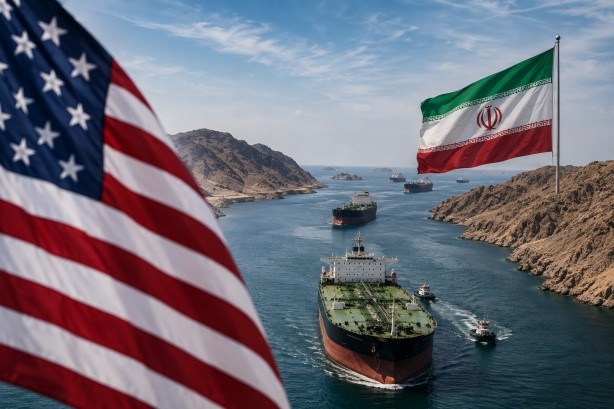
In a significant diplomatic development, the United States has announced that talks with Iran to reopen the Strait of Hormuz are advancing well, with an agreement potentially on the horizon within the next couple of days. U.S. Treasury Secretary Scott Bessent expressed confidence in the ongoing discussions with Tehran, highlighting the potential for a swift resolution that could see commercial vessels traversing the critical waterway without incurring tolls. This measure is aimed at safeguarding the principle of free navigation.
Qatar, playing a pivotal role as a mediator in these negotiations, has confirmed that a proposed framework to de-escalate tensions is currently being shared among the involved parties. The Strait of Hormuz is a vital conduit for global oil and energy transportation, but it has been plagued by disruptions due to escalating regional tensions. The prospect of a diplomatic breakthrough has already had a calming effect on oil prices, which have started to dip, with analysts predicting further declines if shipping activities resume as normal.
President Donald Trump has recently decided to delay planned military interventions against Iran, providing diplomatic efforts the space to flourish. He emphasized that any forthcoming agreement should not only ensure the reopening of the Strait of Hormuz but also address concerns surrounding Iran’s nuclear ambitions. This decision underscores a strategic pivot towards negotiation over confrontation, with a focus on achieving a comprehensive resolution.
Previous attempts to reach a consensus between the U.S. and Iran on reopening the strait fell apart due to disagreements over shipping routes, which reignited tensions. The current negotiations are concentrated on crafting a new agreement that would restore maritime traffic and contribute to regional stability. Efforts are being directed towards finding common ground that satisfies all parties, ultimately paving the way for a more peaceful and cooperative regional environment.