
Technical discussions between the United States and Iran are reportedly ongoing, despite uncertainties surrounding negotiations set to take place in Doha. These discussions focus on a US-led framework aimed at minimizing regional conflicts and addressing critical issues such as Iranian assets that have been frozen and maritime security concerns. Iran, however, has refuted claims of direct meetings with US officials, clarifying that talks are facilitated through Qatari mediation.
During these discussions, US representatives Steve Witkoff and Jared Kushner were observed in Doha as part of broader regional dialogues. Despite these efforts, Qatar has confirmed that the transfer of billions of dollars in frozen Iranian funds has yet to occur. Conflicting public statements from Washington and Tehran have contributed to the confusion regarding the true status of these negotiations.
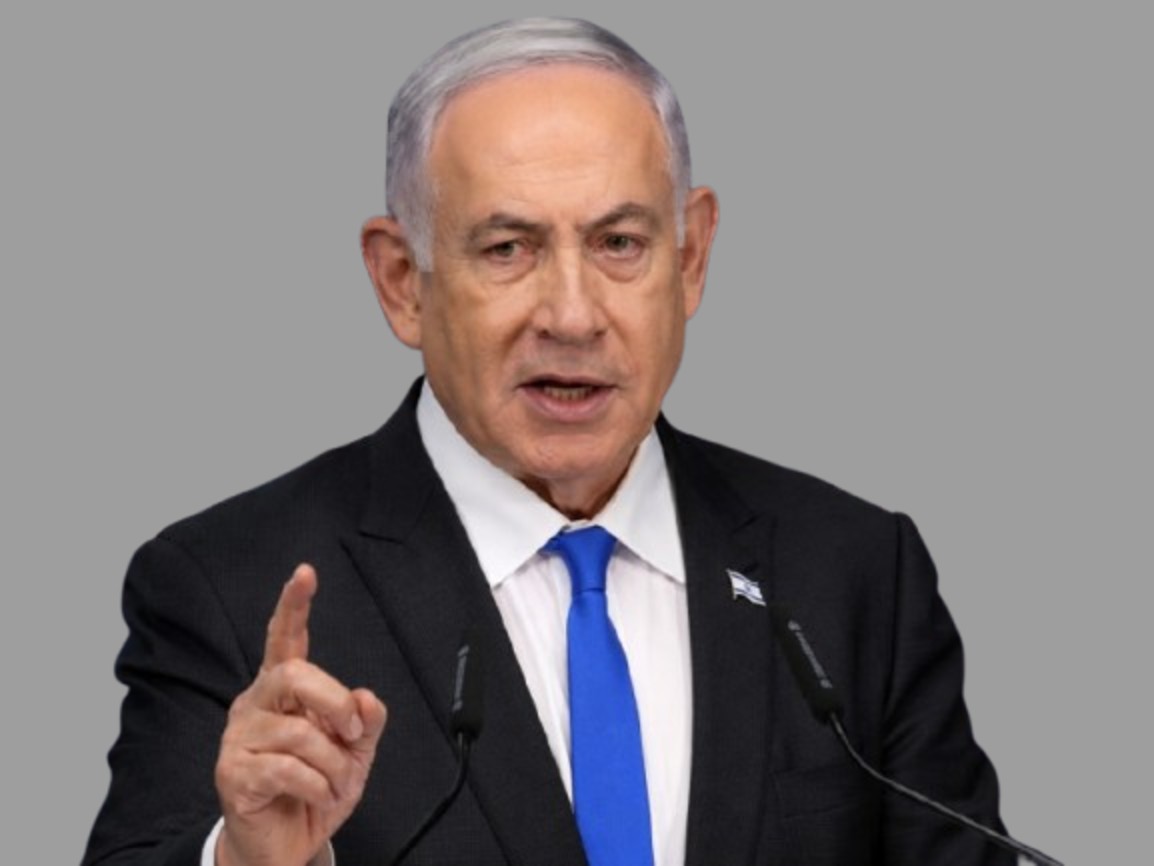
Simultaneously, regional tensions have been exacerbated by Israeli Prime Minister Benjamin Netanyahu’s recent visit to southern Lebanon. During his visit, Netanyahu asserted that Israeli forces would continue their presence in the area as long as Hezbollah remains a threat. This visit follows a US-brokered security arrangement between Israel and Lebanon, further complicating the geopolitical landscape.
The Strait of Hormuz remains a contentious focal point in US-Iran relations, with both nations exchanging accusations concerning recent military strikes and maritime control disputes. This strategic waterway is vital to global energy transport and is central to ongoing diplomatic discussions.
Oil markets have responded cautiously to these developments, with prices showing fluctuations as investors closely watch whether diplomatic efforts in Doha will succeed in stabilizing the situation or potentially lead to further instability in the region.