
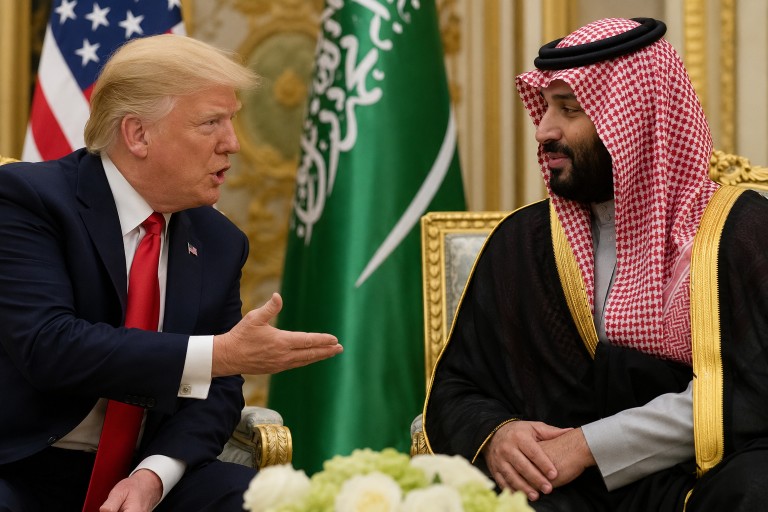
The United States and Saudi Arabia have entered a landmark civil nuclear cooperation agreement, marking a pivotal moment in enhancing energy and strategic relations between the two nations. This agreement, endorsed by US Energy Secretary Chris Wright and Saudi Energy Minister Prince Abdulaziz bin Salman, establishes a framework for peaceful nuclear cooperation and includes a bilateral safeguards agreement.
Though the complete terms are yet to be disclosed, the agreement could potentially allow Saudi Arabia to develop its own uranium enrichment capabilities, contingent on further approvals and regulatory oversight. The deal is set to be reviewed by the US Congress, where lawmakers will scrutinize its nonproliferation safeguards and monitoring conditions.
This civil nuclear partnership has been a topic of discussion for several years. Proponents assert that the agreement will boost American nuclear technology exports, create employment opportunities, enhance energy security, and fortify long-term strategic collaboration between Washington and Riyadh.
Saudi Arabia has expressed a consistent desire to diversify its energy sources by expanding its nuclear power capabilities alongside renewable energy initiatives. The kingdom has previously indicated that it would seek nuclear technology partnerships with other countries if an agreement with the United States could not be reached.
The US administration has stressed that the agreement adheres to international nuclear safety and nonproliferation standards, while also aiming to maintain American leadership in the global civilian nuclear energy sector. However, the announcement has faced scrutiny from certain lawmakers and nonproliferation experts who have voiced concerns about potential future uranium enrichment in Saudi Arabia and the necessity for robust international oversight.