
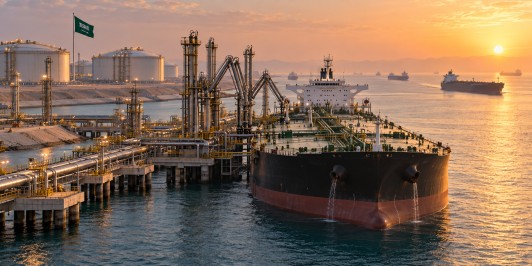
Saudi Arabia has significantly bolstered its crude oil exports to Asia, selling nearly 100 million barrels since last week, a move that could alleviate the region’s concerns over potential supply shortages. The shipments, destined for October and November delivery, are crucial for Asian refiners in China, India, Japan, and South Korea, who have been grappling with tighter supplies and climbing oil prices.
This surge in sales comes at a time when Iranian oil flows are heavily disrupted, and geopolitical tensions have led some buyers to shy away from Russian crude. The additional Saudi oil is expected to pass through the Strait of Hormuz, a vital shipping corridor, especially after an attack on Saudi Arabia’s East-West oil pipeline on September 10 forced the kingdom to rely more on this route. While efforts are ongoing to restore the pipeline’s capacity, the increased reliance on the Strait of Hormuz underscores the logistical challenges faced by Gulf producers.
For China and India, the added Saudi oil supplies offer a critical buffer as rising crude prices threaten to curb production. These countries, along with other Asian nations, are looking to stabilize their refining operations amidst an increasingly competitive market for crude sourced from Africa and Latin America.
The situation has prompted Gulf oil producers to assume greater responsibilities in transportation and logistics, with many buyers hesitant to navigate shipping through regions with heightened security risks. As a result, Saudi Arabia’s increased oil exports could provide timely relief, helping to stabilize Asian markets and mitigate the impact of ongoing disruptions in global oil supply chains.