
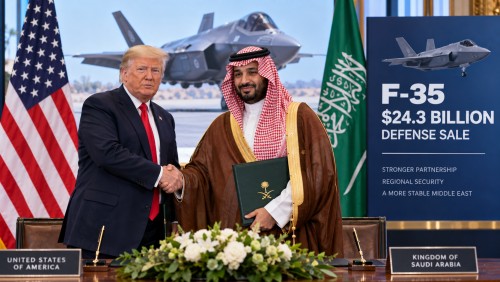
The proposed $24.3 billion sale of 48 F-35 stealth fighter jets to Saudi Arabia is set to significantly bolster the kingdom’s air defense capabilities and strengthen its military cooperation with the United States. While the deal promises to enhance Saudi Arabia’s ability to deter regional threats and improve interoperability with U.S. forces, it requires the crucial step of obtaining approval from the U.S. Congress.
The U.S. State Department has highlighted that the sale aligns with American interests by reinforcing Saudi defenses without disrupting the military balance in the Middle East. This balance is a key aspect of U.S. policy, ensuring that Israel retains a strategic military advantage over its regional adversaries. Despite this assurance, the deal is likely to attract close scrutiny from Congress, where concerns about safeguarding sensitive U.S. military technology and Saudi Arabia’s growing relationship with China may be raised.
Saudi Arabia has long aspired to acquire the F-35 aircraft, a goal that has previously encountered resistance due to concerns from Israel, the sole Middle Eastern nation currently operating these advanced fighter jets. The approval of this sale could mark a pivotal shift in regional military dynamics, although U.S. officials maintain that it will not compromise Israel’s qualitative military edge.
This proposed agreement is part of a broader trend of substantial U.S. arms sales to Saudi Arabia, which have included transactions for thousands of bombs, tank engines, and precision-guided rocket systems. Each of these deals reflects the deepening military ties between Washington and Riyadh, a relationship that continues to be closely monitored by global observers and policymakers alike.
As discussions in Congress proceed, the implications of this significant arms sale will remain a focal point of debate, touching upon broader issues of regional security, technological confidentiality, and international alliances.