
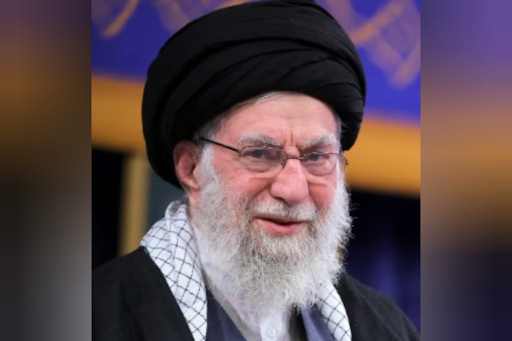
It was a moment that Iranian state television would have preferred never happened. A journalist covering the anniversary rallies of the 1979 revolution — carefully choreographed events designed to demonstrate popular support for the Islamic Republic — said “death to Khamenei” live on air when he meant to say “death to America.” He was fired immediately. But the moment had already escaped into the world.
The incident encapsulated something that years of polling, protest analysis, and dissident testimony had pointed toward: that even in the most controlled environments, the depth of disillusionment with Khamenei had become impossible to fully suppress. The phrase “death to Khamenei” had traveled from protest chants, where it could get people killed, to the subconscious of someone whose job required the opposite.
Two weeks later, Khamenei was dead — killed in airstrikes. The journalist’s slip, seen in retrospect, feels less like an accident and more like an oracle. The sentiment it expressed was real, widely shared, and ultimately prophetic. Social media videos following the Supreme Leader’s death showed Iranians in some areas celebrating openly, at considerable personal risk given the heavy security force presence.
Yet the celebration, where it occurred, did not translate into the political uprising that US President Trump urged. The Islamic Republic’s security apparatus is too entrenched, the memory of January’s massacre too fresh, and the absence of any organized opposition too complete for spontaneous popular action to become a genuine political challenge.
The journalist’s slip remains a symbol — of a gap between official Iran and real Iran that has never been wider. Bridging that gap, or permanently suppressing awareness of it, is the challenge facing whoever inherits the Supreme Leader’s office.