
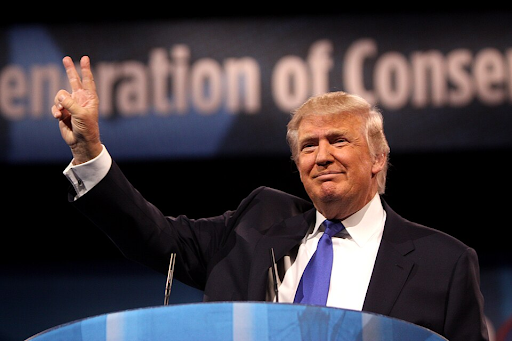
While President Donald Trump’s new proposal is explicitly aimed at Russia and China, its unspoken target is the European Union. By demanding a unified stance on a full oil embargo and China tariffs, the plan directly challenges the EU’s complex decision-making processes and the economic sovereignty of its member states.
Many of the most affected NATO members, such as Hungary, Slovakia, and Germany, are also in the EU, which has its own sanctions and trade policies. Trump’s demand for a complete oil ban effectively seeks to override the EU’s more cautious, consensus-driven approach, where exceptions for certain member states have been a key feature of energy policy.
Furthermore, the call for NATO to impose tariffs on China would create a direct conflict with the EU’s authority, as trade policy is a core competency of the Union, not the individual member states or the military alliance. This would force a confrontation between Brussels and Washington over who sets the economic agenda for Europe.
By issuing these demands, Trump is not just steering NATO; he is implicitly pressuring the EU to adopt a more aggressive and unified stance that aligns with his own. The proposal serves as a stress test for the EU’s internal cohesion and its ability to act as a single, decisive economic bloc on the world stage.