
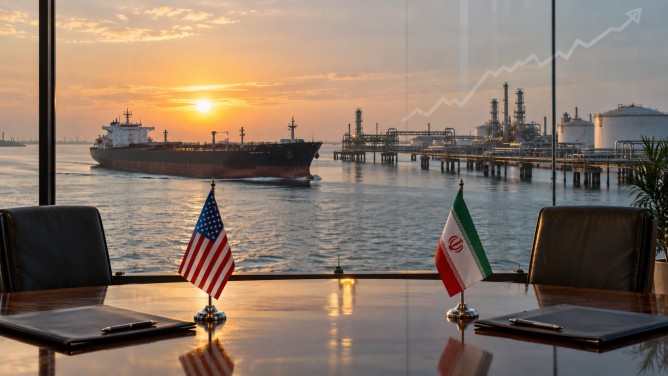
The recent rise in oil prices could impact global markets and consumer costs as Brent crude futures jumped 1.7% to approximately $102 a barrel, and US West Texas Intermediate (WTI) crude for October saw a similar increase, reaching nearly $97 a barrel. These developments come as investors closely watch the possibility of diplomatic negotiations between the United States and Iran during the United Nations General Assembly in New York.
The potential diplomatic engagement stems from US President Donald Trump’s openness to meeting with Iranian President Masoud Pezeshkian. Such talks could influence geopolitical tensions and, subsequently, oil market stability. The ongoing unrest in the Middle East continues to play a critical role in oil pricing, with Saudi Arabia increasing crude exports through the Strait of Hormuz in response to earlier disruptions in its East-West pipeline.
Compounding the regional instability are renewed attacks by Yemen’s Iran-aligned Houthi group, which contribute to the uncertain environment. China has also called on Iran to work towards reducing the frequency of these attacks, particularly as tensions involving Saudi Arabia have escalated. The geopolitical climate remains a significant factor influencing market sentiment and oil price fluctuations.
In Libya, domestic unrest has further complicated the global oil supply chain. An armed group reportedly shut down a valve on the Sharara crude pipeline, leading to a reduction in production at one of the country’s major oilfields by around 200,000 barrels per day. This disruption adds another layer of complexity to the global oil supply concerns.