
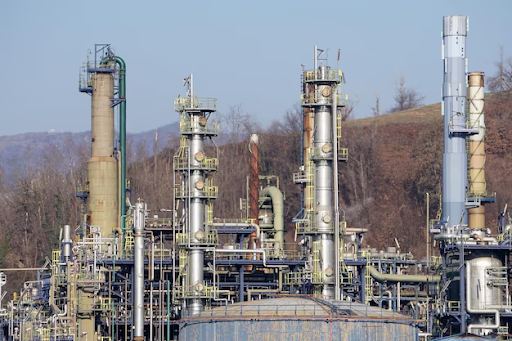
While much of the world reacted to Monday’s energy crisis with alarm and anxiety, there was one corner of the corporate world where the mood was quietly more optimistic. Oil companies, whose revenues rise directly with the price of crude, were among the very few significant commercial beneficiaries of a crisis that was otherwise causing widespread economic damage. With Brent crude surging to 14-month highs and analysts warning of potential 100-dollar oil, the earnings outlook for the major integrated energy companies improved significantly in a single trading session.
BP and Shell, the two largest oil companies listed in London, each gained approximately 3% on Monday, making them among the standout positive performers in an otherwise deeply negative session for the FTSE 100. The gains reflected investor calculations that the surge in crude prices would translate directly into higher revenues and improved cash flows for both companies. With Brent crude at 77 to 82 dollars a barrel, both companies are generating substantial operating cash flows that significantly exceed what was anticipated just days ago.
The benefit for oil companies extends beyond just higher oil prices. Both BP and Shell have significant LNG operations, positioning them as major participants in the global gas trade. With LNG prices surging as Qatar’s production goes offline, the value of their gas assets also rises. The combination of higher oil and higher gas prices creates a broadly favourable commercial environment for integrated energy companies that operate across both commodity markets.
The contrast between the commercial position of oil companies and the experience of their customers is stark and, for some observers, uncomfortable. While oil companies celebrate higher revenues, households face higher heating bills and drivers face higher petrol prices. The energy companies that profit from price surges are often the same companies whose products are essential to daily life for the consumers who bear the cost of those surges. This tension is a recurring feature of energy market crises and typically fuels political pressure for windfall taxes or other redistributive measures.
For investors in BP and Shell, the short-term picture is commercially attractive but not without complications. If high energy prices persist long enough to materially slow economic growth and reduce energy demand, the initial earnings benefit could ultimately be offset by lower volumes. Experienced oil company investors have seen this cycle play out before and are celebrating the current price environment with appropriate caution, aware that the same geopolitical instability driving prices higher also creates significant operational and strategic uncertainty.