
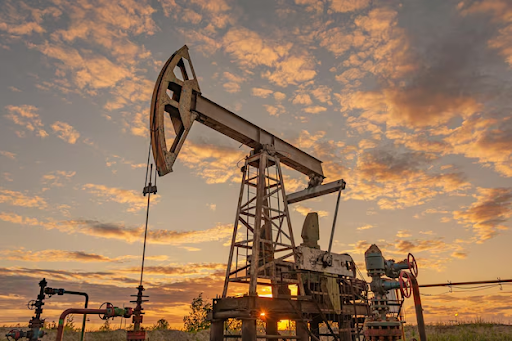
US oil prices are near critical levels as the Iran war extends its disruption into a third consecutive week, with Monday expected to bring continued volatility. Analyst Patrick De Haan has projected pump prices of $3.80 to $3.85 per gallon, with $4 fuel still a possibility. Three weeks of sustained military operations have pushed prices to levels that represent a significant burden for American consumers and businesses.
The price escalation was triggered on February 28, when the US and Israel launched coordinated strikes against Iran, setting off a chain of supply disruptions that has pushed the national gasoline average 23% higher to $3.70 from below $3 per gallon before the conflict. The speed and sustained nature of the increase has made this one of the more notable energy price shocks in recent US history. Consumer and business confidence has been visibly affected by the sustained rise.
Friday’s US strike on Kharg Island, Iran’s primary oil processing and export hub, added a significant new element to the supply disruption. Iran’s blockade of the Strait of Hormuz, responsible for approximately 20% of global daily oil supply, continues to limit the availability of petroleum for international buyers. Brent crude fluctuated between $103 and $106 per barrel Monday, while US crude held near $94 after briefly topping $100 on Sunday.
California faces the most acute domestic price crisis, with state averages above $5 per gallon and some Los Angeles stations charging more than $8. Diesel prices for commercial transport may reach $5.05 to $5.15 per gallon nationally. Senior oil industry executives from Exxon, Conoco, and Chevron have all engaged White House officials on the escalating supply crisis, with Exxon’s Darren Woods specifically flagging the danger of speculative market behavior amplifying price increases.
Wall Street opened the week with modest optimism, the S&P 500 rising approximately 1% as crude prices briefly retreated. Major oil company shares have surged to record highs since the conflict began. The critical levels reached by US oil prices will persist until the conflict ends and normal global oil supply flows are restored through the Strait of Hormuz.