
Global leaders’ failure to contain the Iran-Israel conflict was written plainly in the price of oil. Crude above $100 per barrel, threats of $200, strikes across five Gulf nations, seven American service members dead, and a new untested Iranian supreme leader — the market was sending a distress signal that diplomacy had been unable to answer.
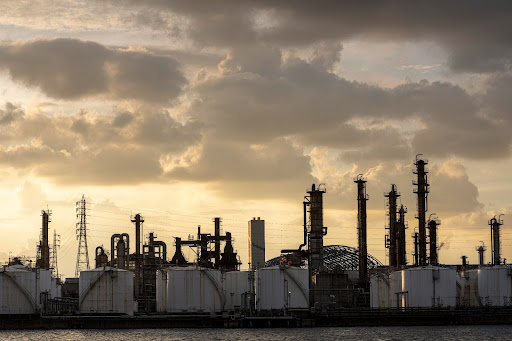
Israeli strikes on oil storage facilities near Tehran killed four workers and left the capital shrouded in black smoke. Iran’s Revolutionary Guards responded by threatening $200 oil and launching fresh attacks against Saudi Arabia, the UAE, Qatar, Bahrain, and Kuwait, hitting a Bahraini desalination plant and killing two Saudi civilians.
A US service member died from injuries sustained in an Iranian attack in Saudi Arabia, the seventh American fatality of the war. Reports that Russia had been providing Iran with intelligence to help it target US military assets raised the conflict’s geopolitical dimensions dramatically, suggesting that the war had drawn in actors far beyond the region.
Iran’s clerical assembly appointed Mojtaba Khamenei as supreme leader in a historic first, selecting the son of the late leader and calling on Iranians to rally behind him. The new leader inherited a country at war on multiple fronts, with deep divisions between its civilian president and military leadership already publicly on display.
The United States pledged restraint on Iranian energy infrastructure and predicted only brief supply disruptions. But with diplomacy absent and the fighting intensifying, the oil market’s distress signal was one of the clearest indications yet that the world was watching a crisis it did not know how to stop.